
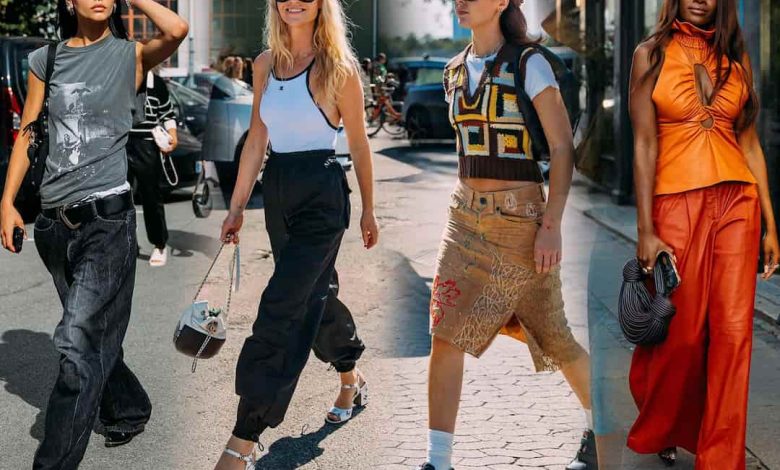
Fashion has always been more than clothing; it is a cultural language that communicates identity, social values, and creativity. From haute couture runways in Paris to everyday streetwear in London, fashion reflects how people express themselves and how societies evolve. In the UK, fashion holds a distinctive position, blending heritage traditions with contemporary innovation, making it one of the most influential industries in the world.
Understanding Fashion as Cultural Expression
Fashion is not only about fabric and design but also about self-expression. People choose styles that reflect their personality, profession, or lifestyle. In many ways, it serves as a mirror of societal changes, whether through gender-neutral clothing, sustainability efforts, or digital fashion shows.
Fashion as Identity
-
Individuals use fashion to project confidence and personality.
-
Subcultures such as punk, goth, and mod styles have historically influenced mainstream trends.
-
Workwear and uniforms highlight the connection between profession and appearance.
Fashion as Social Commentary
Throughout history, fashion has challenged norms. In the 1960s, miniskirts symbolised liberation. Today, inclusive fashion lines reflect shifting values around diversity and equality.
The Global Fashion Industry
The fashion industry is one of the largest creative sectors, shaping global economies and setting cultural standards. In the UK, cities like London play a central role, hosting events like London Fashion Week that attract designers, influencers, and buyers from around the globe.
Key Elements Driving the Industry
-
Design innovation: New materials and sustainable fabrics are redefining production.
-
Digital transformation: Online platforms, virtual fitting rooms, and fashion apps are transforming consumer experiences.
-
Retail shifts: High street shopping remains popular, but e-commerce dominates growth.
Fashion Trends Through the Decades
Each decade has left a distinctive imprint on fashion. Understanding these shifts provides insight into how trends are shaped.
The 1920s
Flapper dresses and art deco influences represented freedom after the First World War. Shorter hemlines and loose silhouettes defied Victorian traditions.
The 1960s
A revolution in youth culture gave rise to colourful prints, miniskirts, and mod fashion. Designers like Mary Quant captured the spirit of experimentation.
The 1990s
Minimalism and casual streetwear dominated. Denim, crop tops, and grunge aesthetics reflected a more relaxed, rebellious mood.
Today
Fashion is increasingly inclusive, with a strong emphasis on sustainability, slow fashion, and gender-neutral clothing.
The Impact of Technology on Fashion
Technology has revolutionised every aspect of the industry, from design to sales. Artificial intelligence, 3D printing, and augmented reality are making personalised fashion experiences possible.
AI and Personalisation
AI-driven tools help consumers discover personalised style recommendations based on body type, preferences, and previous purchases.
Virtual Fashion
Digital clothing and NFTs are emerging as status symbols, with people investing in fashion pieces they may never wear physically but showcase online.
E-commerce Evolution
Mobile apps and websites now provide seamless shopping experiences, with same-day delivery and personalised recommendations.
Sustainable Fashion and Ethical Responsibility
Sustainability has become a core theme in fashion. Shoppers are increasingly conscious of how clothes are produced, leading to demand for transparency and eco-friendly practices.
Key Sustainable Practices
-
Recycled fabrics reduce waste and promote circular fashion.
-
Slow fashion movements encourage quality over quantity.
-
Ethical labour practices ensure fair treatment of workers.
The Rise of Second-Hand Fashion
Charity shops, thrift stores, and online resale platforms are popular in the UK, appealing to younger generations who want affordability and eco-conscious choices.
Fashion as an Economic Driver
The UK fashion industry contributes billions to the economy, providing employment across design, retail, manufacturing, and marketing. It also influences tourism, as travellers flock to cities like London for shopping and fashion events.
The Role of Fashion in Everyday Life
Fashion is not reserved for catwalks. It is part of daily life, from professional attire to casual streetwear. The choices people make reflect their mood, aspirations, and cultural influences.
Everyday Examples
-
Students wearing vintage jackets as a nod to sustainability.
-
Professionals adopting smart-casual attire for hybrid work models.
-
Communities using traditional attire to celebrate cultural heritage.
Future of Fashion
The future of fashion points towards inclusivity, innovation, and environmental responsibility. Designers are focusing on adaptive fashion for people with disabilities, while digital platforms make fashion more accessible than ever.
Predictions for the Next Decade
-
A larger role for augmented reality in retail.
-
Growth of sustainable materials such as bio-fabricated leather.
-
Expanding influence of cultural diversity in shaping mainstream trends.
FAQ Section
What makes fashion so important in society?
Fashion is a form of cultural identity, personal expression, and economic influence. It shapes how people present themselves and reflects broader social values.
How is UK fashion different from global trends?
UK fashion combines heritage, such as tailored suits and traditional textiles, with contemporary innovation, often leading trends in streetwear and sustainability.
Why is sustainable fashion gaining attention?
Consumers are becoming more aware of the environmental impact of fast fashion. Sustainable fashion promotes ethical practices and longer-lasting quality.
What role does technology play in fashion?
Technology enables virtual fittings, AI-driven personalisation, and digital clothing. It also supports more efficient and eco-friendly production processes.
How can everyday people influence fashion trends?
Street style, social media, and individual creativity often inspire designers. Everyday choices like adopting thrift fashion or cultural attire contribute to shaping trends.
Will digital clothing replace physical fashion?
While digital clothing will expand, physical fashion will remain essential. Digital fashion complements real-world style by providing new ways to express identity online.


