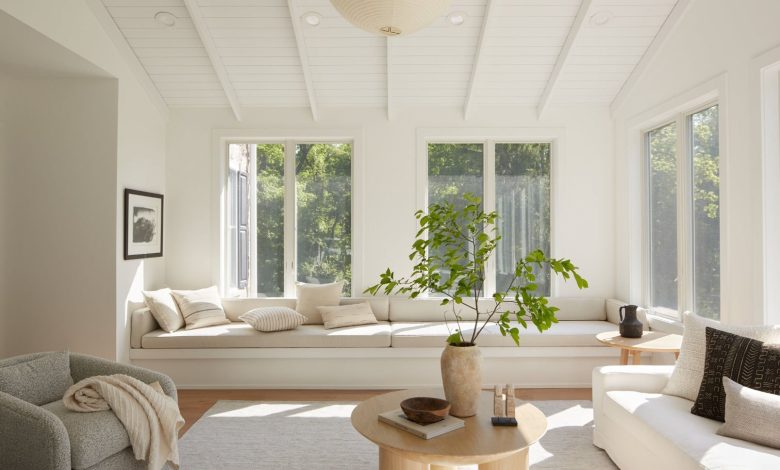
Home is not just where life happens—it’s where the mind resets. The design of a home plays a powerful role in shaping mental wellbeing, influencing mood, focus, stress levels, and emotional balance. Thoughtful home design can quietly support mental health, while poorly planned spaces can unintentionally increase anxiety or fatigue.
Understanding how design elements affect the mind helps create living spaces that feel supportive, calm, and restorative.
The Psychological Impact of Living Spaces
Every space sends signals to the brain. Colors, light, layout, and textures all affect how safe, relaxed, or stimulated we feel. When a home aligns with human psychological needs, it becomes a place of recovery rather than pressure.
A well-designed home can:
-
Reduce daily stress
-
Improve emotional stability
-
Encourage relaxation and clarity
-
Support healthy routines
Natural Light and Mental Health
Exposure to natural light is closely linked to emotional wellbeing. Sunlight helps regulate sleep cycles, boosts mood, and improves overall mental clarity.
Benefits of natural light in home design include:
-
Improved sleep patterns
-
Lower risk of depression
-
Increased energy and motivation
-
Better concentration
Design strategies such as large windows, light-colored walls, and open layouts allow daylight to flow freely through living spaces.
Color Psychology in Home Interiors
Colors influence emotions more than most people realize. Choosing the right color palette can calm the mind or energize the body.
Common effects of interior colors:
-
Soft blues and greens: Promote calm and relaxation
-
Warm neutrals: Create comfort and emotional safety
-
Muted earth tones: Encourage grounding and stability
-
Bright, intense colors: Increase stimulation and alertness
Balanced use of color helps prevent mental overstimulation while maintaining visual interest.
Layout and Sense of Control
A cluttered or poorly organized layout can make a home feel chaotic. Clear, intuitive layouts support a sense of control—an essential factor for mental wellbeing.
Good spatial design encourages:
-
Smooth movement through rooms
-
Defined areas for rest, work, and socializing
-
Reduced visual noise
-
Improved daily routines
Open spaces combined with purposeful zones help reduce cognitive overload.
Decluttering and Mental Clarity
Clutter doesn’t just take up physical space—it occupies mental space too. Excess belongings can subconsciously increase stress and reduce focus.
Decluttered homes often lead to:
-
Lower anxiety levels
-
Improved concentration
-
Greater emotional calm
-
Stronger sense of order
Smart storage solutions and minimal design choices help maintain a peaceful environment without feeling empty or impersonal.
Biophilic Design and Emotional Balance
Bringing nature indoors has proven psychological benefits. Natural elements help the brain relax and recover from overstimulation.
Biophilic design elements include:
-
Indoor plants
-
Natural wood and stone textures
-
Views of outdoor greenery
-
Earth-inspired color palettes
These elements foster emotional balance and strengthen the connection between living spaces and natural rhythms.
Personalization and Emotional Safety
A home should feel personal, not generic. Personal items—art, photos, meaningful objects—create emotional safety and reinforce identity.
Personalized spaces support:
-
Emotional comfort
-
Sense of belonging
-
Positive memories and associations
-
Self-expression
When people see themselves reflected in their surroundings, mental wellbeing naturally improves.
The Role of Quiet and Privacy
Mental health depends on moments of quiet. Home design that allows privacy and sound control helps the mind recharge.
Effective strategies include:
-
Soft furnishings to absorb sound
-
Private corners for rest or reflection
-
Separation between noisy and quiet areas
-
Thoughtful room placement
These features support emotional regulation and reduce sensory stress.
Designing for Long-Term Wellbeing
Mental wellbeing isn’t about trends—it’s about sustainability. Homes designed with flexibility, comfort, and emotional needs in mind continue to support mental health over time.
A mentally supportive home adapts as life changes, offering consistency, safety, and peace.
Frequently Asked Questions
How does home design affect stress levels?
Home design influences stress through light, color, layout, and organization. Calm colors, natural light, and uncluttered spaces reduce mental overload and promote relaxation.
Can small homes still support mental wellbeing?
Yes. Thoughtful layouts, multifunctional furniture, and good lighting can make small spaces feel open, comfortable, and mentally supportive.
What is the most important design element for mental health?
Natural light is one of the most impactful elements, as it supports sleep, mood regulation, and overall emotional balance.
Does minimalism improve mental wellbeing?
Minimalism can reduce stress by limiting clutter and distractions, but it should still include personal and comforting elements to avoid feeling cold or impersonal.
How do plants improve mental health at home?
Plants reduce stress, improve air quality, and create a calming connection to nature, supporting emotional balance and focus.
Can home design help with anxiety?
Yes. Calm colors, organized layouts, soft textures, and quiet spaces can significantly reduce anxiety triggers in daily life.
How often should home design be updated for wellbeing?
There’s no fixed timeline, but small updates—like rearranging furniture or improving lighting—can refresh a space and positively impact mental health over time.