
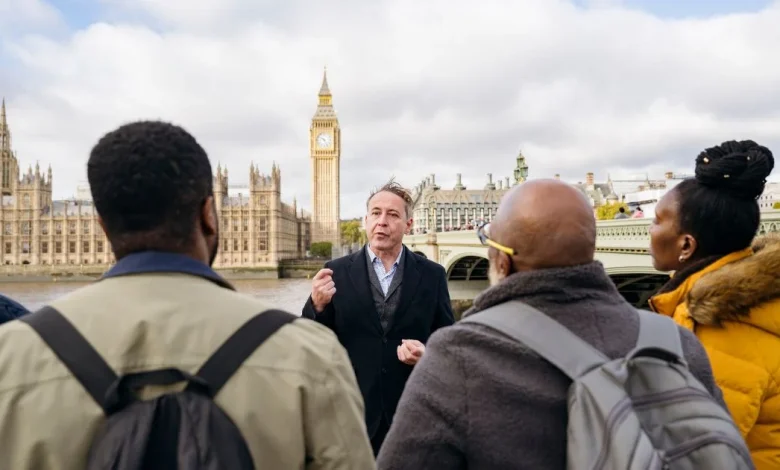
Travelling is more than just moving from one place to another. It is about discovering cultures, experiencing traditions, meeting new people, and gaining fresh perspectives. For centuries, journeys have shaped human lives, whether through trade, education, or leisure. Today, travel has become one of the most rewarding investments a person can make, offering memories that last a lifetime.
Why Travel Matters
Travel plays a vital role in shaping personal growth and global understanding. It allows people to:
-
Step outside their comfort zones
-
Experience cultural diversity firsthand
-
Learn resilience and adaptability
-
Build unforgettable memories with loved ones
For many, travelling is not only about relaxation but also about transformation. By immersing yourself in unfamiliar surroundings, you gain a better understanding of yourself and the world.
The Different Types of Travel
Travel is not one-size-fits-all. Each journey has a unique purpose and style. Understanding the types of travel can help you choose experiences that align with your goals.
Leisure Travel
Leisure travel is all about relaxation and fun. People take holidays to beaches, mountains, or luxury resorts to unwind. It focuses on rest, entertainment, and rejuvenation.
Adventure Travel
Adventure seekers prefer trekking, rock climbing, scuba diving, or safaris. This type of travel pushes physical limits and gives a sense of achievement while enjoying the beauty of nature.
Cultural Travel
Cultural travel involves exploring heritage sites, museums, festivals, and traditions. Cities like Rome, Kyoto, and Jaipur are prime examples of destinations where travellers immerse themselves in history and artistry.
Business Travel
Business travel is essential in today’s interconnected world. Professionals attend conferences, meetings, and exhibitions in different countries, often blending work with cultural experiences.
Eco-Travel
Eco-travel focuses on sustainability and minimising environmental impact. It encourages responsible tourism practices like staying in eco-lodges, supporting local businesses, and reducing waste.
Planning the Perfect Trip
Planning is one of the most crucial aspects of a successful travel experience. A well-prepared traveller can save money, time, and unnecessary stress.
Setting a Budget
Budgeting ensures you can enjoy your journey without financial worries. Consider:
-
Flights and accommodation
-
Local transportation
-
Food and dining experiences
-
Entrance fees for attractions
-
Shopping and souvenirs
Choosing the Right Destination
The choice of destination depends on personal interests, travel season, and budget. Some prefer the tranquillity of beaches, while others love the vibrancy of cities or the peace of the countryside.
Packing Smart
Smart packing is essential. Essentials include clothing suitable for the weather, travel documents, first-aid kits, and gadgets. Rolling clothes instead of folding saves space and reduces wrinkles.
Researching Local Customs
Understanding local culture avoids misunderstandings. Learn about greetings, dress codes, and dining etiquette. Even basic knowledge of the local language can create meaningful connections.
The Role of Technology in Travel
Modern technology has completely reshaped the travel experience. From planning to execution, technology plays an essential role.
-
Booking platforms make flights and hotels accessible in minutes.
-
Navigation apps provide real-time directions, ensuring travellers never get lost.
-
Translation apps break down language barriers.
-
Social media inspires travellers with photos, videos, and tips from around the globe.
Benefits of Travelling Regularly
Travelling offers mental, physical, and emotional benefits. It improves overall well-being and enriches life in countless ways.
Mental Benefits
Travelling reduces stress and provides a much-needed escape from daily routines. It also enhances creativity by exposing individuals to new environments and perspectives.
Physical Benefits
Walking through markets, climbing hills, or swimming in oceans naturally keeps travellers active. Some people even plan fitness-focused holidays like yoga retreats or cycling tours.
Social Benefits
Travel builds friendships and strengthens family bonds. Shared experiences create lasting stories that deepen relationships.
Challenges of Travel
Despite its many rewards, travel can come with challenges. Understanding these issues helps in preparing better.
-
Language barriers can make communication difficult.
-
Cultural differences may lead to misunderstandings.
-
Travel fatigue occurs from long flights or busy itineraries.
-
Safety concerns such as theft or illness require caution and preparation.
Sustainable Travel Practices
Responsible travel ensures destinations remain beautiful for future generations. Travellers can practise sustainability by:
-
Choosing eco-friendly accommodations
-
Respecting wildlife and natural habitats
-
Supporting local artisans and businesses
-
Reducing plastic waste by carrying reusable bottles and bags
Travel as an Educational Tool
Travel has always been a powerful form of education. Students and professionals gain valuable insights through exchange programmes, study tours, and field visits. Lessons learned while travelling often stay with individuals far longer than those in classrooms.
Creating Lasting Memories
Travel memories are priceless. Whether it’s a sunset in Santorini, a camel ride in Rajasthan, or a gondola trip in Venice, experiences stay etched in the heart. Keeping a travel journal or taking photographs helps preserve these special moments.
Future of Travel
The future of travel will be shaped by sustainability, technology, and personalised experiences. Virtual reality tours, AI-driven recommendations, and smart airports are already transforming the industry. Travellers will increasingly seek unique, offbeat, and meaningful journeys instead of conventional holidays.
FAQs about Travel
How can I travel on a budget without missing out on experiences?
Budget travel is possible with careful planning. Consider travelling during off-peak seasons, using public transportation, staying in hostels or guesthouses, and exploring free attractions.
What are the best ways to overcome language barriers while travelling?
Learning a few basic phrases, using translation apps, and carrying phrasebooks can make communication easier. Body language and gestures also play a big role in bridging gaps.
How can I stay healthy while travelling?
Maintain a balanced diet, stay hydrated, and carry essential medications. Travellers should also consider travel insurance for emergencies and avoid unsafe street food.
What are some sustainable travel tips for first-time travellers?
Avoid single-use plastics, respect cultural traditions, choose local businesses, and minimise carbon footprints by walking or cycling instead of taking taxis whenever possible.
How do I choose the right travel insurance?
Look for policies that cover medical emergencies, trip cancellations, and lost luggage. Compare providers carefully to find a plan that suits your journey type and destination.
What is the future of international travel after global disruptions?
International travel is becoming more flexible and technology-driven. Health protocols, digital passports, and eco-conscious travel trends are expected to grow significantly.


